Unlocking student engagement: Strategies for modern classrooms
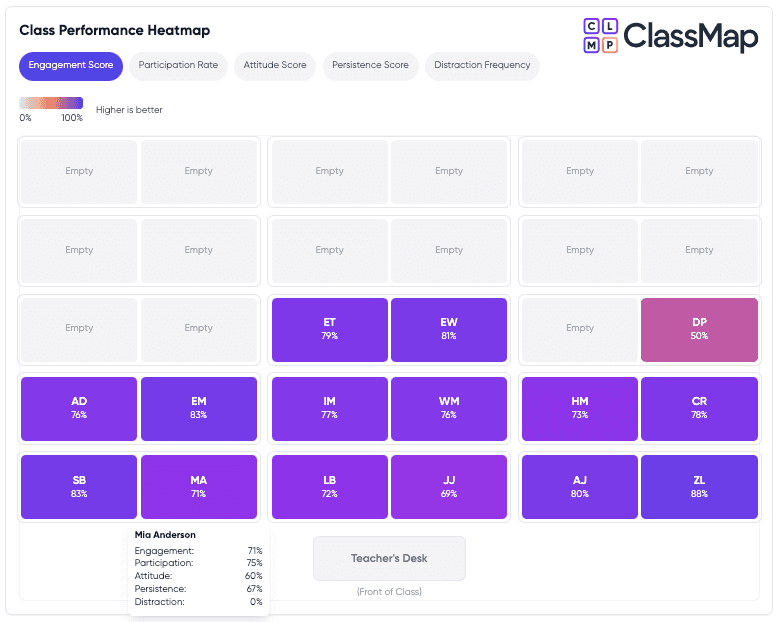
Engaging students in the learning process is essential for fostering critical thinking, motivation, and academic success. When students are actively involved, they are more likely to retain information and develop a deeper understanding of the material.
Understanding Student Engagement
Student engagement encompasses three key dimensions:
-
Behavioral Engagement: Participation in academic and extracurricular activities, including attendance and adherence to classroom norms.
-
Emotional Engagement: Students' feelings towards their school, teachers, and peers, influencing their sense of belonging and motivation.
-
Cognitive Engagement: Investment in learning, characterized by a willingness to tackle challenging tasks and employ strategic learning approaches. :contentReference[oaicite:0]{index=0}
Strategies to Enhance Engagement
To cultivate a more engaging classroom environment, educators can implement the following strategies:
-
Ask Open-Ended Questions: Encourage students to think critically and express their ideas by posing questions that require more than a yes or no answer. :contentReference[oaicite:1]{index=1}
-
Incorporate Group Activities: Foster collaboration and communication skills through group projects and discussions, allowing students to learn from one another. :contentReference[oaicite:2]{index=2}
-
Use Movement to Get Kids Focused: Integrate physical activities into lessons to re-energize students and maintain their attention. :contentReference[oaicite:3]{index=3}
-
Personalize Instruction: Tailor lessons to align with students' interests and learning styles, increasing relevance and motivation. :contentReference[oaicite:4]{index=4}
-
Gamify Learning: Introduce game elements into the classroom to make learning more interactive and enjoyable. :contentReference[oaicite:5]{index=5}
The Role of Technology in Engagement
Integrating technology thoughtfully can significantly boost student engagement. Digital tools and platforms offer interactive and personalized learning experiences, enabling students to explore subjects at their own pace and according to their interests.
Conclusion
Enhancing student engagement requires a multifaceted approach that addresses behavioral, emotional, and cognitive aspects. By implementing diverse strategies and leveraging technology, educators can create dynamic learning environments that inspire and motivate students to achieve their full potential.
Related Articles
The invisible student
Not every student acts out, some just fade away. ClassMap.io helps teachers identify these quiet patterns and bring every learner back into focus.

Supporting teacher wellbeing with smart edtech
Discover how ClassMap’s mobile-first approach and real-time engagement tracking help teachers reduce stress and improve classroom management.

Online teaching platforms: how ClassMap empowers classrooms
ClassMap.io empowers teachers with real-time engagement and well-being insights, transforming classroom management and student connection.