Not All Student Progress Fits in a Gradebook
Academic results tell us what students achieved. They do not always show how students learned, participated, persisted, connected or changed along the way.
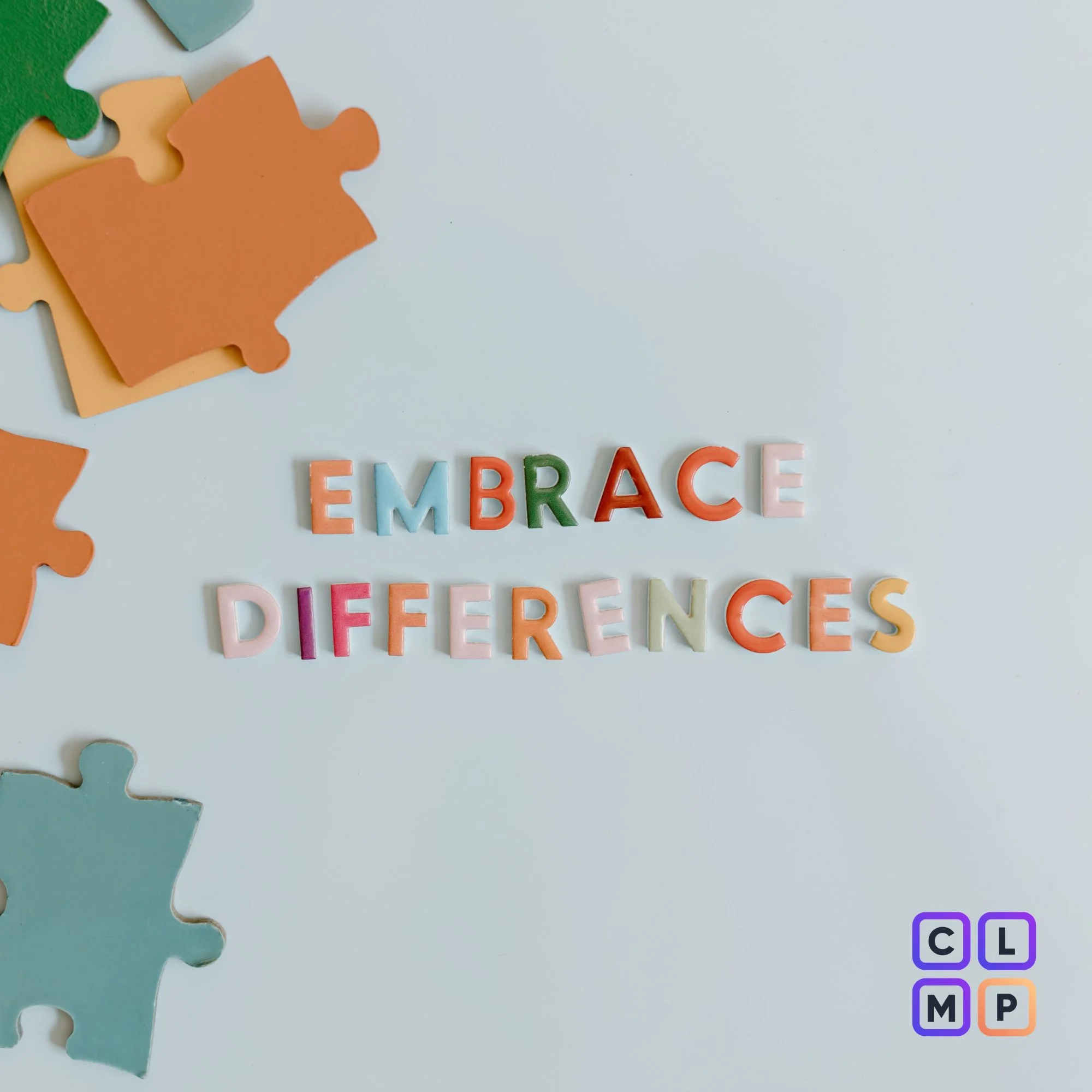
Why grades don't tell the whole story
At the end of a school year, everything that can be recorded usually has been. Grades are entered, tests are marked, attendance is complete, and reports are written.
But some of the most meaningful changes are harder to see. A student who finally starts raising their hand after months of silence. A child who learns to try again after making a mistake. Someone who becomes more comfortable working with others. Or a pupil whose grades stay the same, even as they slowly withdraw from the classroom.
These moments do not fit neatly into a gradebook, yet they tell us a great deal about how students experience learning.
Teachers need time to rest before thinking back over the year. As discussed in Breathe First, Plan Later, reflection should feel calm and useful, not like another task to complete. When that reflection does happen, it can help to look beyond academic results.
Learning is more than academic performance
Schools are expected to track what students know and can do. We look at how well they understand, remember, explain, calculate and apply ideas.
But learning is not only about knowledge. It also includes how students feel about learning and how they behave in the classroom. Over time, students learn how to deal with challenges, work with others, keep going when something is difficult, manage frustration, ask for help and take responsibility for their work.
The OECD highlights skills like persistence, self-control, cooperation, and curiosity as important not only for school success but also for well-being. Research on student engagement also shows that engagement is not just about being busy. It includes how students act, how they feel and how deeply they think about their work.
In simple terms, learning is not only about what students know, but also about how they take part in the process.
The affective side of learning
The emotional side of learning has always been part of education. Researchers such as Krathwohl, Bloom, and Masia described how students move from simply noticing something to truly valuing it and acting on it.
In everyday classrooms, this can be seen in small changes. A student who starts paying attention to a new topic. Someone who becomes more willing to join in. A learner who grows curious, keeps working despite difficulty or begins to take responsibility for their role in a group. Over time, some students also become more confident in sharing their ideas or supporting others.
These changes are not easy to measure, but they matter. They show whether students are just completing tasks or developing habits that will support learning in the long term.
Research from CASEL also shows that social and emotional learning is linked to better academic results, stronger relationships and healthier school environments.
What often goes unnoticed
In most classrooms, the students who stand out are the ones who draw attention. They answer quickly, interrupt, lead discussions, or sometimes resist the task. They shape how the lesson feels.
At the same time, other students can remain almost invisible. They are not disruptive and they complete enough work, but they rarely ask questions, join discussions, or connect with others.
This idea is explored in Every Student Deserves to Be Seen and The Invisible Student. These quieter students are not necessarily struggling, but if they consistently stay on the edges of classroom life, it is worth noticing.
Research shows that feeling connected at school, knowing that someone cares about you and your learning, is strongly linked to better outcomes. Even small signs of withdrawal can matter over time.
From moments to patterns
Teachers notice a great deal during a lesson. They see who starts quickly and who hesitates, who needs reassurance, who supports others, and who gives up early.
The difficulty is not noticing these things, but remembering them clearly. Memory tends to focus on what was recent, disruptive or emotionally intense. This can lead to broad labels like “difficult class” or “unmotivated student.”
However, as discussed in the myth of the “difficult class”, what feels like a general problem is often made up of smaller, more specific patterns.
Instead of using labels, it can help to ask simple questions. When did attention drop? Did problems happen during transitions? Did participation change depending on the activity? Were the same students involved each time? What happened just before frustration appeared?
Looking for patterns makes it easier to understand what is really happening and what might help.
Observation should describe, not define
There is an important difference between describing what we see and deciding what a student is like.
Saying “He is disengaged” turns a moment into a fixed idea. Saying “He participated less during independent work in recent lessons” keeps the focus on what was observed and leaves room for other explanations.
The same applies to statements like “She is anxious” compared to “She seemed hesitant when presenting and avoided larger groups.” The second version is more careful and more useful.
Students behave differently for many reasons. The task might be too easy or too difficult. Instructions might be unclear. Social situations can feel uncomfortable. Personal circumstances also play a role.
An observation is not a diagnosis. It is just one piece of information.
What to carry forward
Reflection often leads to small but useful insights. You might notice that some students need time to prepare before speaking, or that breaking tasks into smaller steps helps them keep going. You may see that clear roles in group work encourage participation, or that transitions between activities cause more difficulty than the tasks themselves.
You might also find that practical activities increase curiosity, or that certain students would benefit from stronger relationships early in the year. Sometimes it becomes clear that collaboration skills need more direct support.
These are not fixed truths about students. They are simply starting points. Students change and so do classrooms.
A fuller picture of progress
Not all progress can be measured with a grade. Sometimes it appears in small moments, a raised hand, a second attempt, a calmer reaction to a mistake, a willingness to join a group or the confidence to ask for help. It might even be seen in a quiet act of kindness.
These moments should not be turned into scores, but they should not be ignored either. They help us see learning more clearly.
ClassMap supports this by helping teachers capture what they already notice, engagement, effort, participation, persistence, and social interaction, and look at patterns over time, without using intrusive technology.
The aim is not to record everything. It is to make sure that important parts of student progress are not lost simply because they were never written in a gradebook.
Reflection questions
- Which students showed meaningful changes in engagement that were not reflected in their grades?
- Who may have appeared successful academically but remained disconnected from the learning process?
- What classroom moments revealed persistence, curiosity, or growth that might otherwise go unnoticed?
- Which students stayed on the margins, and what patterns might explain their level of participation?
- What small adjustments next year could better support both academic and emotional aspects of learning?
Sources and further reading
- OECD, Social and Emotional Skills
- CASEL, What Does the Research Say?
- Fredricks, J. A., Blumenfeld, P. C., and Paris, A. H., School Engagement
- CDC, School Connectedness Helps Students Thrive
- Krathwohl, Bloom, and Masia, Affective Domain
- ClassMap, Breathe First, Plan Later
- ClassMap, Every Student Deserves to Be Seen
- ClassMap, The Invisible Student
- ClassMap, The Myth of the “Difficult Class”
Related Articles

Getting to know your class in the first four weeks
Get to know your class through a flexible four-week observation routine, with classroom examples and practical ways to support participation and collaboration.
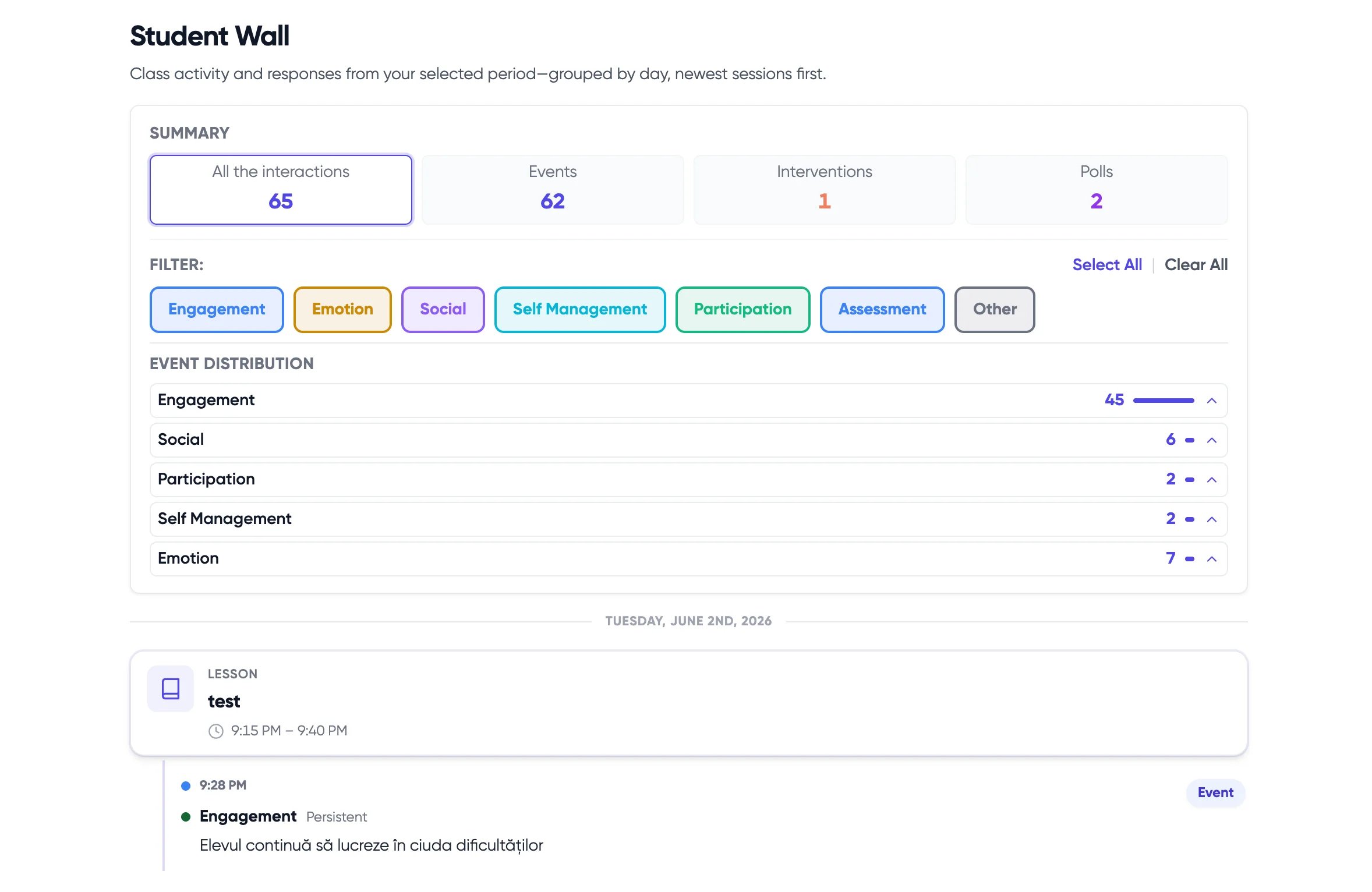
Beyond grades: why schools need systematic classroom observation for early student support
Learn how systematic classroom observation helps schools identify early signs of disengagement, frustration, and task avoidance before grades or behaviour records change.

The myth of the “Difficult Class” and the 20/70 Rule
Many “difficult classes” are uneven: ~20% of students can drive ~70% of disruption. Learn fair, targeted interventions that protect learning time.